
Clinical Pearls: Calcium Channel Blocker Overdose
Toxic levels of calcium channel blockers typically induce massive cardiogenic and distributive shock and pressors alone often won't save them. High dose insulin therapy enters the chat here. Think 700 units of rapid onset insulin IV per hour 🤯. Yep, it's gonna be an all hands on deck kind of patient my friends. Read this article to learn about the whys, whos, and hows of CCB overdose mgt.

The Worst Parts Of Being An NP
My number one most viewed youtube video is about the downsides to practicing as a nurse practitioner. I guess I shouldn’t be surprised by that. You want to know what the cons are before diving head first into uncharted waters. It’s a great illustration about how life mimics art. My craft is working as a critical care nurse practitioner and informed decision making is a huge piece of making life and death decisions. As long as the patient and family is aware of the risk/benefit and I do my job well in explaining it to them, we can all go forward with realistic expectations. Same should be true about making a big life decision like going back to school. Since very little in life is all good, anticipating the challenges/cons to this career tract is everything. In this blog post I’ll discuss the biggest bummers to daily life as a nurse practitioner. If you are in a season of deciding on nurse practitioner school, this one is for you.

The Perfect NP Student
If you are a student reading this, you are already in the top 5% my friend. How am I so omniscient you ask? Well, after serving as a preceptor for the last five years or so I’ve seen all sorts of students. We all are unique and bring different skills, backgrounds, and personalities to the learning space. This should be celebrated, the world would be awfully boring if we all were the same. Having said that, there are trends I see amongst nurse practitioner students, and some of them are not so great. I’m going to tell you what IMO I believe makes for a fabulous student in clinical rotations; one we want to hire. Arguably one of the best qualities is beginning with the end in mind. Those who prepare in advance are not amongst the majority, so congratulations for being an elite! Clinicals are your #1 source for job acquisition, so you want to show up with your A game!
Mentors: Game Changers?
What is the most insightful thing someone ever told you? When I try to narrow down my answer to this I struggle. I lost my mom when I was twenty four years old. It was traumatizing and also character building. She was my mentor in all ways and without her presence I have struggled in my life, particularly with making hard decisions. Thankfully I have had some career-guiding, life-changing people come into my life at exactly the right moments. The story I share most often is in regards to deciding to go back for a masters degree. A friend of my moms (who happened to be a nurse at the hospital where I worked) said “Briana, what’s your hangup?” I told her the big issue was the burden I would put my husband and children through for two straight years. Especially the girls who wouldn’t see as much of me. Her response “Honey, two years will pass whether you are in school or not, where do you want to be in two years? And what will teach your girls more, being present for all the events or role modeling how hard things are done?”
Okay universe, I hear ya.
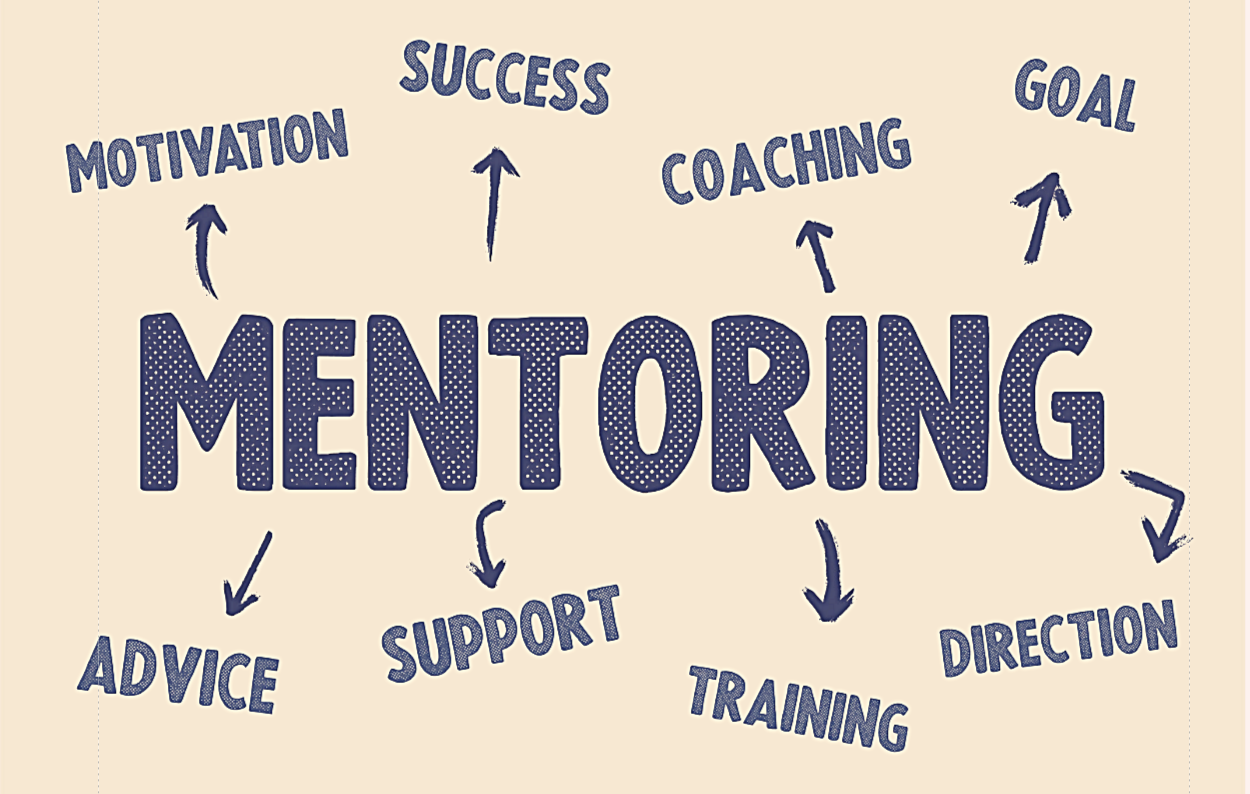
In this post I will discuss the difference between a mentor and a coach, what they can offer you, how to find one, and how to make the most of your time.

When Should You Start Job Applications
January…the month following December graduation. It’s a joyous time, and you absolutely should be celebrating. But what comes next? What I see across the nurse practitioner forums and social media are two big concerns: board exams and job acquisition. I wrote about board certification and how to prep for this a few weeks ago; today I’d like to focus on a topic that I think half the people are getting wrong. That is timing for job application. Many NP students ask when is the right time and the responses are mixed. On a recent post I tallied it was completely split 50/50. Half the people felt you should apply while in school and half felt you should wait until exam and licensing is complete. My argument is that if you are waiting until the latter you are behind the eight ball. Statistically speaking, I know this is likely to stress out half of you and that is not my goal. Hear me out, there are many reasons why I advocate for earlier efforts. Let’s talk about job applications.

Mistakes To Avoid On Your Resume
I’ve seen a fair number of nurse practitioner resumes in my day. Seems like my large group is always cycling through new hires. In addition to that I look at all the resumes that come through for my consultation/interview prep business. It’s interesting to me the variety of what folks are doing across the nation. When I wrote my first NP resume I assumed we all heard the same HR lecture and wrote them the same. Most people have professional looking resumes but there are some industry specific issues that I find am repeatedly addressing with clients. In this post I’ll discuss the most common mistakes I see on the nurse practitioner resume.
Clinical Pearls: Evaluating For Intubation
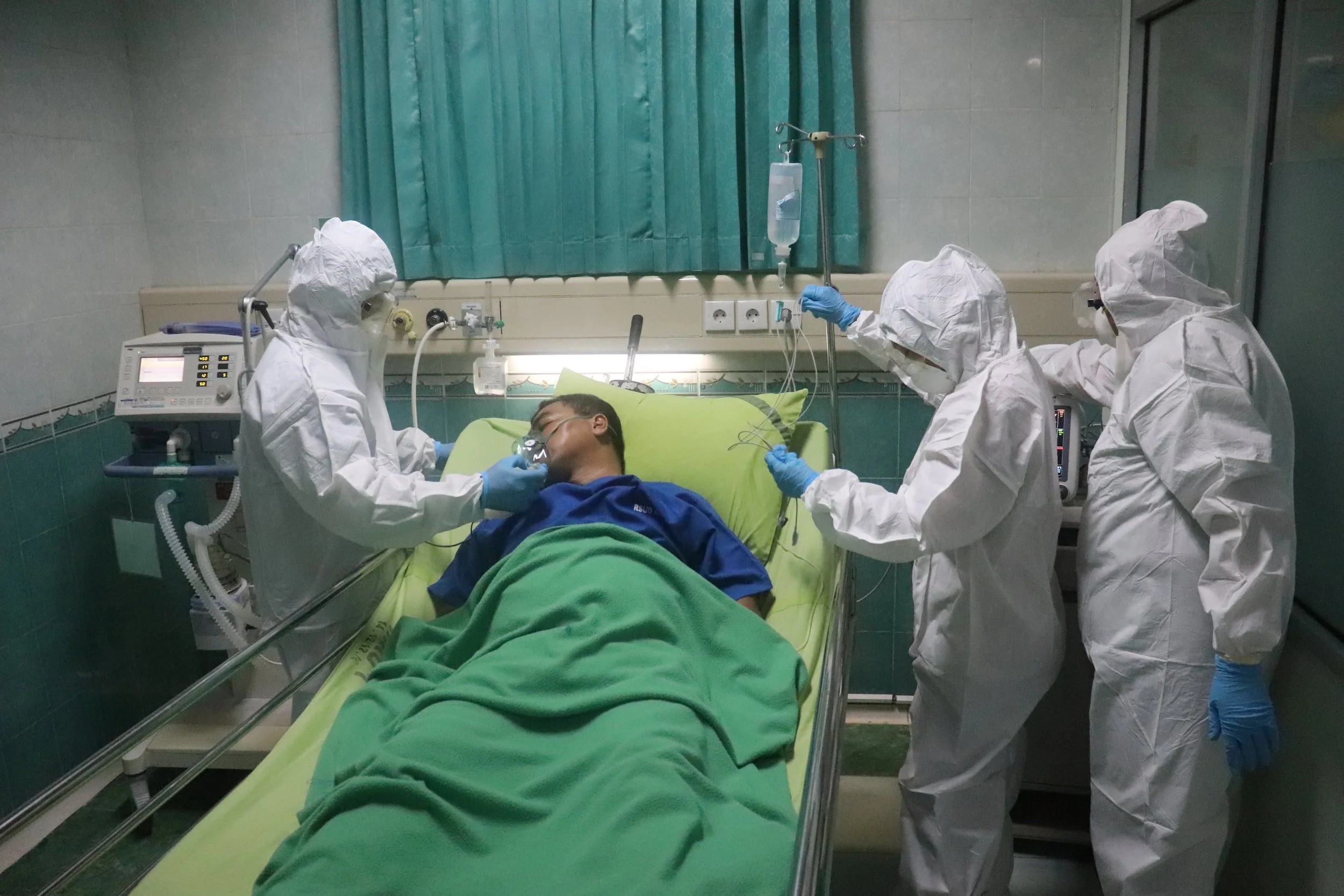
When is it time to say it’s time? I think back on the really bad days of the pandemic when I walked from room to room asking myself this question repeatedly. Honestly, for intensive care unit level covid that’s what it felt like - a few random meds that typically didn’t help, supportive care, and careful vigilance for when it was time to go on the dreaded vent. Our patients feared it, our families feared it; it was the elephant in the room every time you walked in. Outside of covid pneumonia, there are a million reasons why a patient needs mechanical vent support and failing lungs are just one component. This is a very common question I get asked when I am training a nurse practitioner student Here’s how I approach evaluating a patient for intubation need.

NP vs RN: Differences in employment structure
This topic comes from a question I received from a client asking to explain how nurse practitioners fit into a physician run group. She expressed her surprise to learn that many APPs and physicians who work in a hospital are not employed by the hospital and asked for feedback about how this works and how nurse practitioners fit into this model. I definitely understand this confusion. As nurses, we are used to standard hospital or health system employment with clear hierarchical management. In this post I’ll talk about my experience with this and the main differences between NPs and RNs in regards to:
Who employs you.
Who manages/directs you.
How you get paid.
Who your colleagues are.
Clinical Pearl: Status Asthmaticus
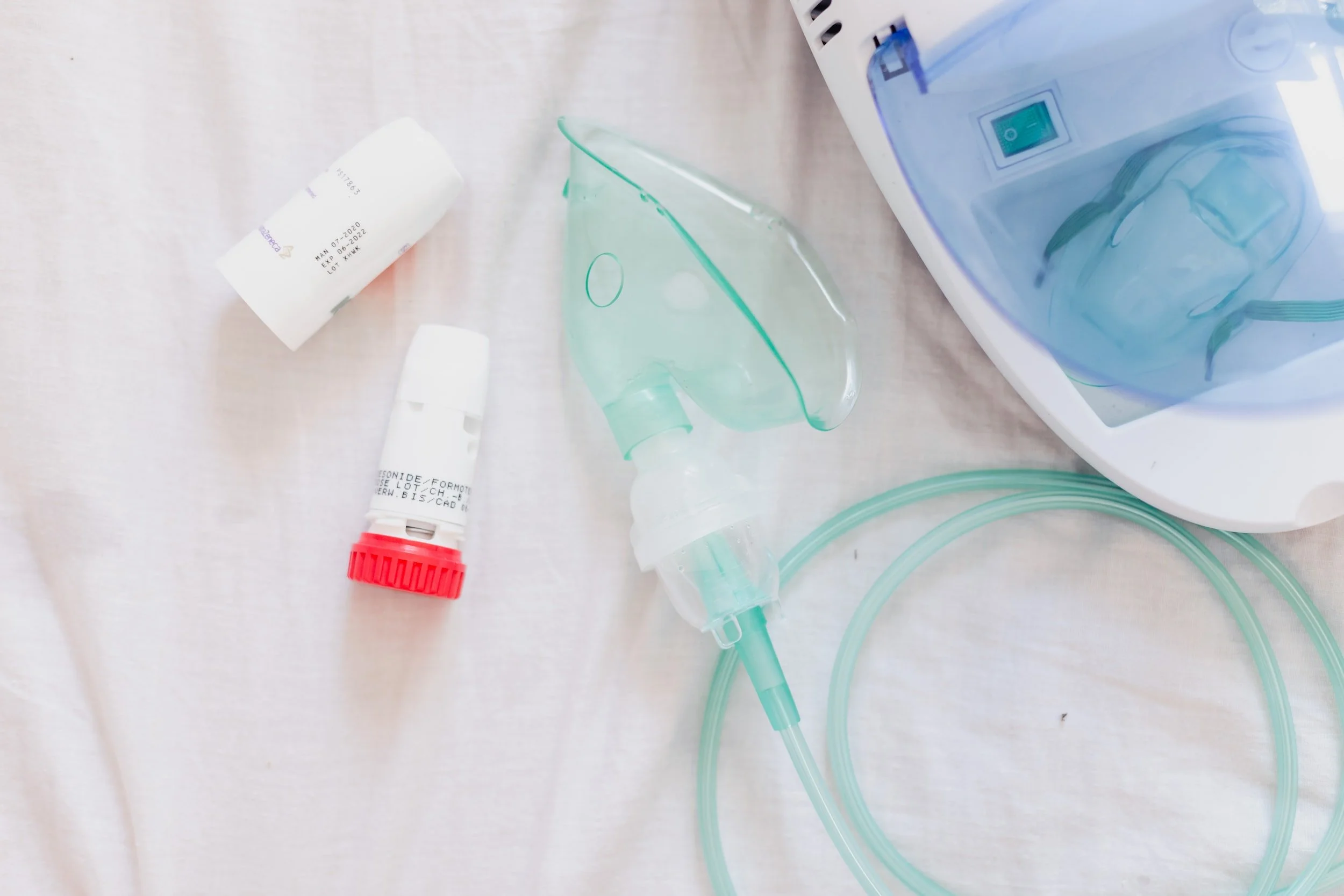
Not a common problem in most ICU’s, but you do get the occasional severe case of asthma. When you do, it can get a little hairy. Mostly because these are generally young people and there’s only so much you can do. Sort of like Covid when it gets bad, there’s not much to offer. You provide the medicine, the supportive devices and wait for their bodies to heal themselves. Same with asthma, you order the standard treatment and then pray it doesn’t get to a point where you have to intubate. In large part, our primary goal in ICU asthma is to not make them worse with counter-intuitive ventilator strategies. Let’s talk asthma.
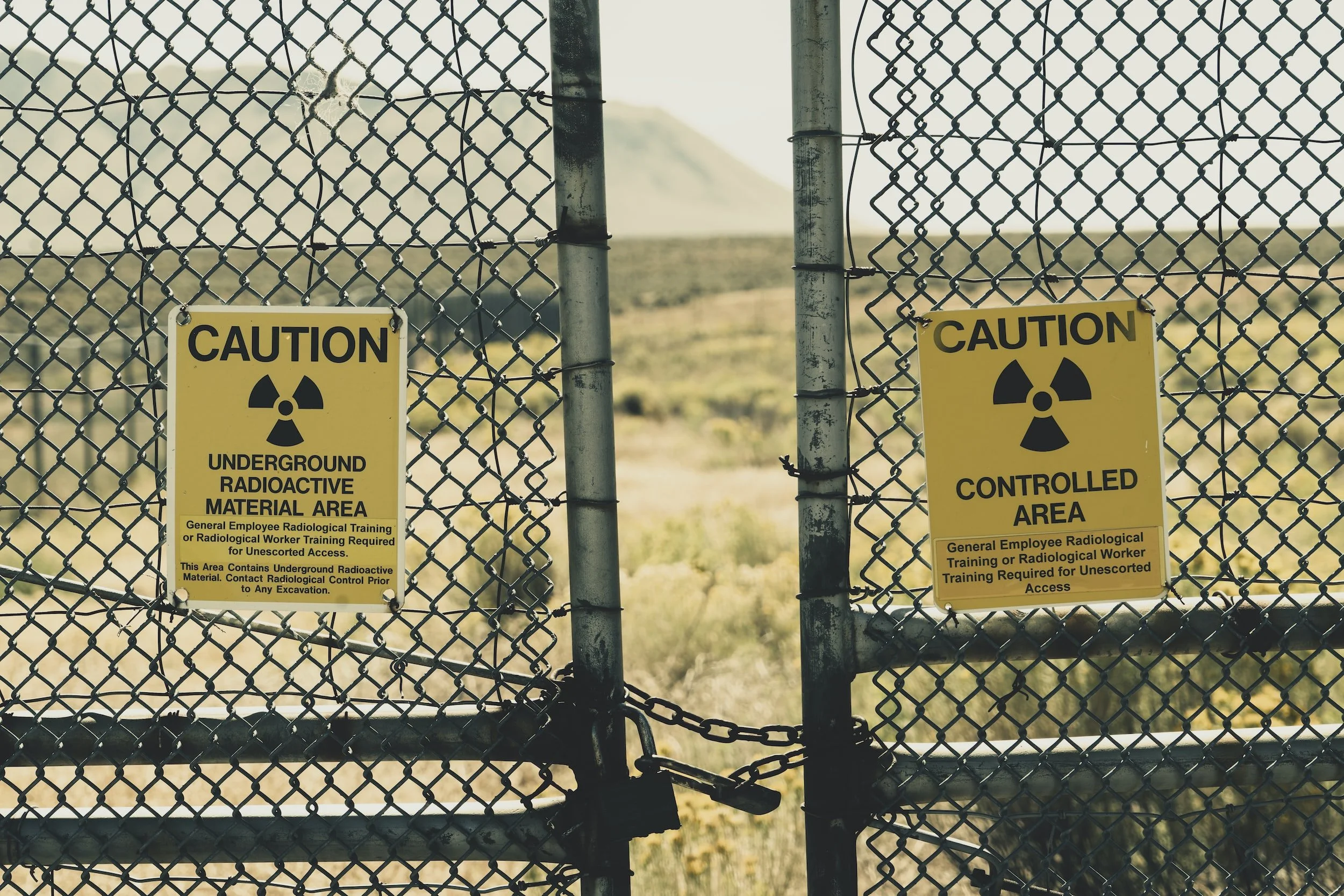
Toxic Workplaces And What to Do About Them
I talk to a fair amount of nurse practitioners who are in a space of indecision. My goal is to help them sort out what will best serve their {whole} life goals. It’s always about balancing work-life factors with career goals. Some of them are considering leaving the profession and going back to the bedside or doing something else altogether. Some are coming to me seeking interview/job acquisition help and what we discover is that their confidence has been wrecked by a unhealthy work environment. I’d be willing to bet many of you have experienced this in the past or are stuck in this situation currently. It’s truly a sad state of affairs these days particularly for nurse practitioners. In this article I wanted to talk about this phenomenon and what some options may be for you.

Nurse Practitioner Fellowships
When I say fellowship, I’m really referring to two types of post-graduate training: nurse practitioner residency and nurse practitioner fellowship. What’s the difference? A residency is more general and encompasses a broader scope of practice. It may be a longer time frame as well, most range between 6-12 months. It is ideal for someone who had little bedside experience or sub-par education in school (be it academic or clinical). A fellowship on the other hand is specialized and has a particular focus of interest. It is ideal for someone who has a strong sense of what they want to do and/or lack the opportunity to find a way into the niche.

The Questions You Ask In Your RN/NP Interview Matter…More Than You Think
The most crucial phase of the nurse practitioner interview is when you ask questions of the interviewer. Do not sleep on this golden opportunity to sell yourself!