

Clinical Pearls: Calcium Channel Blocker Overdose
Toxic levels of calcium channel blockers typically induce massive cardiogenic and distributive shock and pressors alone often won't save them. High dose insulin therapy enters the chat here. Think 700 units of rapid onset insulin IV per hour 🤯. Yep, it's gonna be an all hands on deck kind of patient my friends. Read this article to learn about the whys, whos, and hows of CCB overdose mgt.
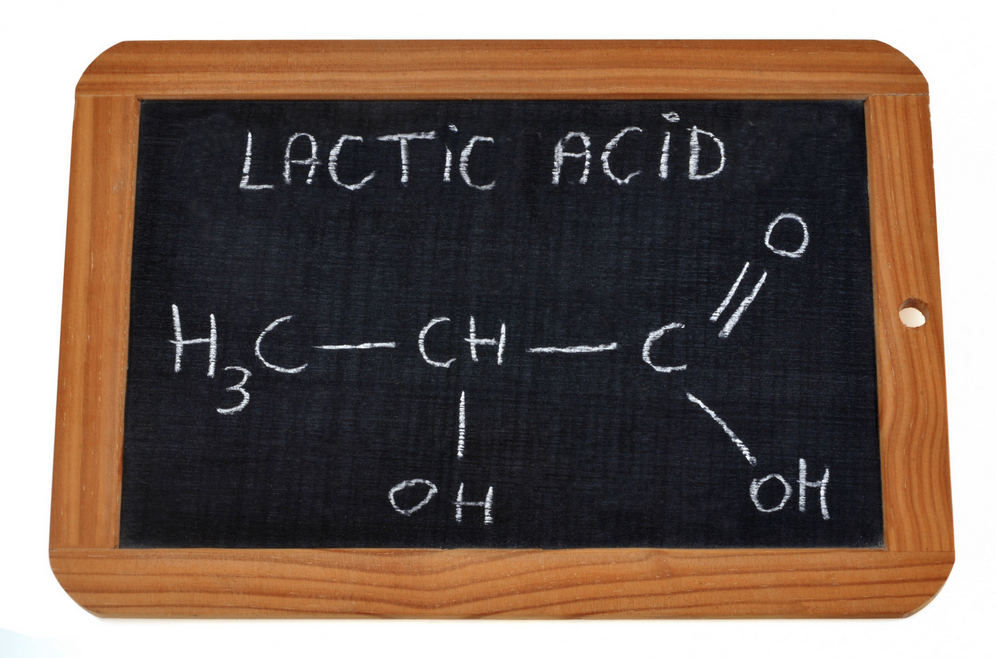
Clinical Pearls:What’s up with the lactate?
In 2001 a research article was published expounding early goal directed therapy as a treatment strategy for sepsis. Key points in the article suggest that physical exam findings are subpar for directing resuscitation and that measures such as lactate, SCVO2, base deficit, and pH are more accurate measures of adequate treatment. There were certainly other factors, and the take home message was to find the source and start antibiotics early, but volume resuscitate until tissue hypoxia improves was the practical application of this research. As a result lactic acidosis has become a bad omen to be feared by all. Several guideline updates have since been published, the most recent in 2021 with weak evidence to suggest using lactate as an end-point measurement. Practically speaking though, the word is out that a high lactate = bad bad badness. I’m not saying it isn’t bad, but there are plenty of reasons why an elevated lactate alone is not the end of the world. In this post we’ll discuss causes for lactate elevation, what should be cause for alarm and what shouldn’t, and how to manage it.
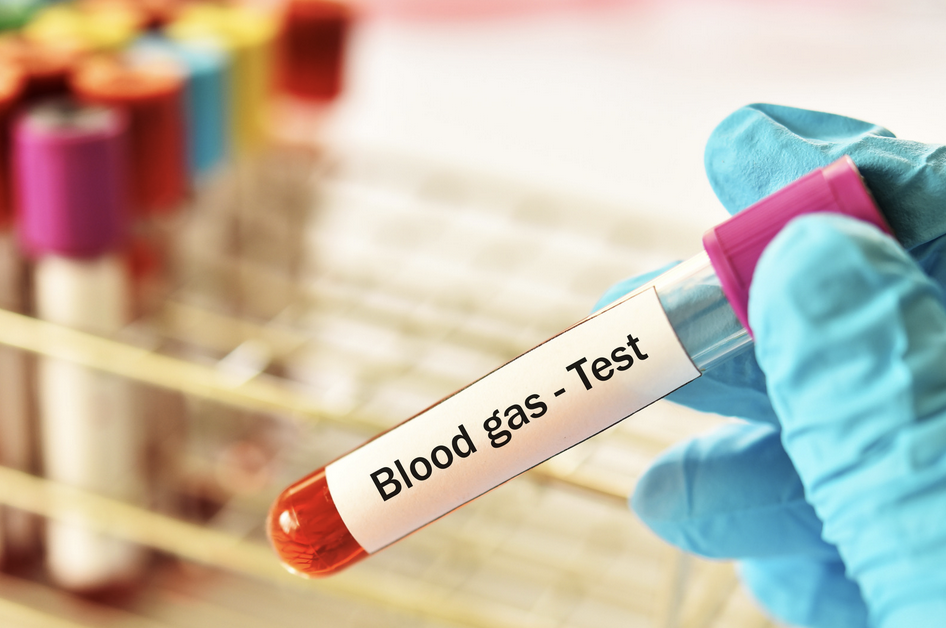
Clinical Pearls: VBG vs ABG
There is a legitimate reason why ER providers consistently order a VBG over an ABG and the ICU provider then may or may not believe the VBG choosing to tack on an ABG instead.
Many patients in the hospital require assessment of their acid base balance and oxygenation/ventilation status which is best quantified from serum arterial samples. Additionally, the ABG provides expedited lab results such as hemoglobin, potassium and other electrolytes, and lactic acid. These values are very helpful in making a rapid diagnosis and treatment plan. A venous blood gas seems to be the standard replacement for an arterial blood gas in the emergency department. It does offer some benefits, but has limitations as well which should be acknowledged.
The focus of this article is to describe the pros/cons of using a VBG as a surrogate, the exclusion criteria, and the method of converting a VBG to an ABG.
Clinical Pearls: Is it DKA or HHS?
Should be pretty straight forward, but even amongst seasoned providers this can sometimes be debatable. Especially when you don’t have all the labs back. Often we are called to admit a patient for DKA because they do not seem appropriate for a routine floor or even step-down ICU admission. The Internal Medicine/Hospitalist team may not feel comfortable taking a patient but on your evaluation they do not seem to be on the severe end of the spectrum. You aren’t alone, my friend. Let’s talk about admitting a DKA vs HHS patient and how you make a diagnosis.
Clinical Pearls: Liver Failure
Oh the ways the liver can fail. As a new nurse practitioner this one was hard to get down. Cardiology is generally seen as the bee all end all when it comes to keeping our bodies running, but I’d like to talk about the under appreciated liver. Hepatology is fascinating because the normal function of the liver is supremely multi-faceted. Throw in a little pathology and any number of pathways can be deranged and within those any degree of severity can be seen. From acute to chronic to acute-on-chronic, severity can run the gamut. Decompensated cirrhosis is a common killer in most ICU’s. Given how poorly understood this disease state is, I’d like to talk about the complexity, progression, prognosis, and management of liver failure in the intensive care unit.
Clinical Pearls: Evaluating For Intubation
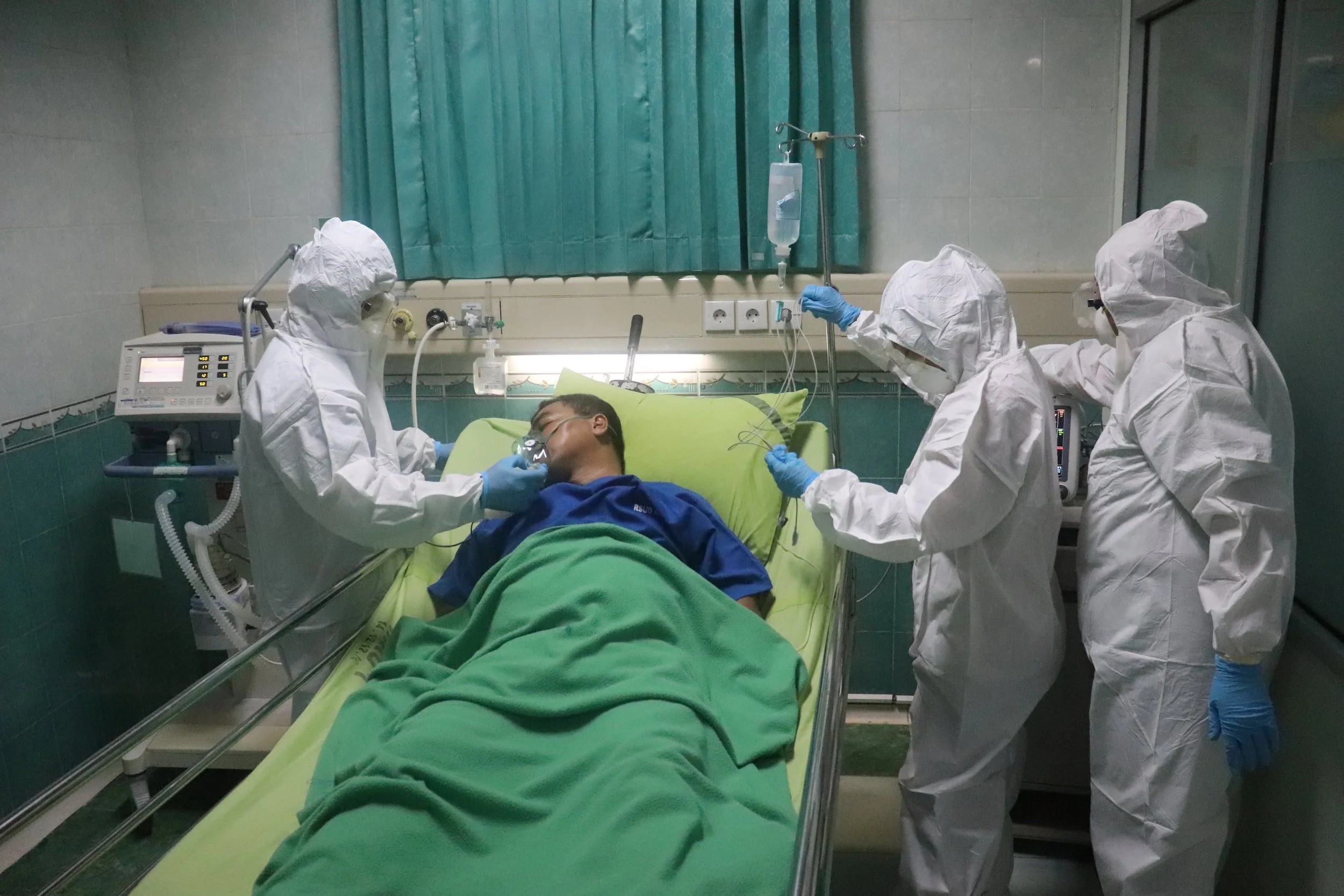
When is it time to say it’s time? I think back on the really bad days of the pandemic when I walked from room to room asking myself this question repeatedly. Honestly, for intensive care unit level covid that’s what it felt like - a few random meds that typically didn’t help, supportive care, and careful vigilance for when it was time to go on the dreaded vent. Our patients feared it, our families feared it; it was the elephant in the room every time you walked in. Outside of covid pneumonia, there are a million reasons why a patient needs mechanical vent support and failing lungs are just one component. This is a very common question I get asked when I am training a nurse practitioner student Here’s how I approach evaluating a patient for intubation need.
Clinical Pearl: Status Asthmaticus
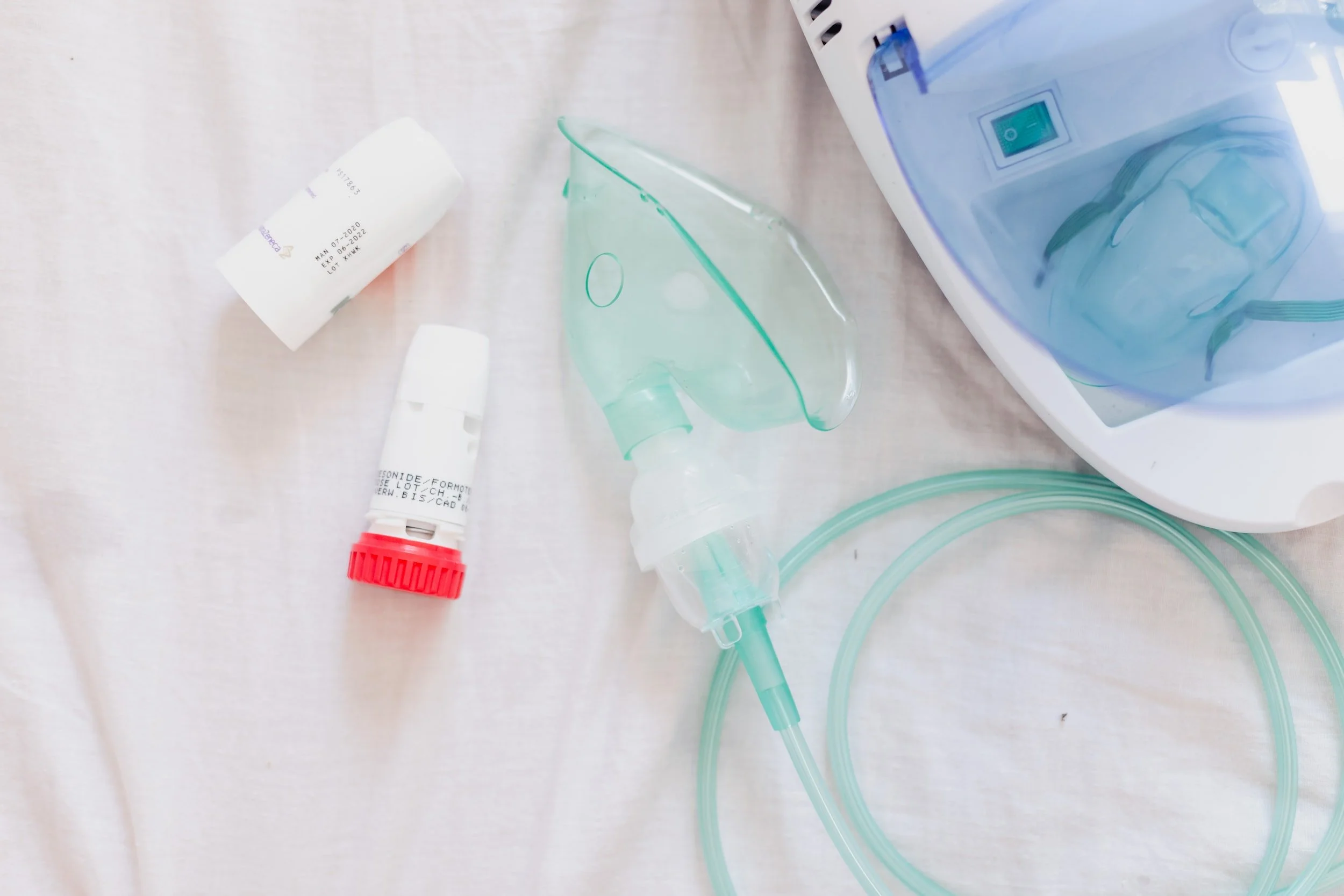
Not a common problem in most ICU’s, but you do get the occasional severe case of asthma. When you do, it can get a little hairy. Mostly because these are generally young people and there’s only so much you can do. Sort of like Covid when it gets bad, there’s not much to offer. You provide the medicine, the supportive devices and wait for their bodies to heal themselves. Same with asthma, you order the standard treatment and then pray it doesn’t get to a point where you have to intubate. In large part, our primary goal in ICU asthma is to not make them worse with counter-intuitive ventilator strategies. Let’s talk asthma.

Clinical Pearls: How To Handle The Rapid Response Call
As a nurse practitioner I approach the rapid response call by quickly absorbing information to formulate a list of differentials and a plan of care starting with stabilization. The secret is threefold: experience, honoring the team approach, and offering redundancy.